
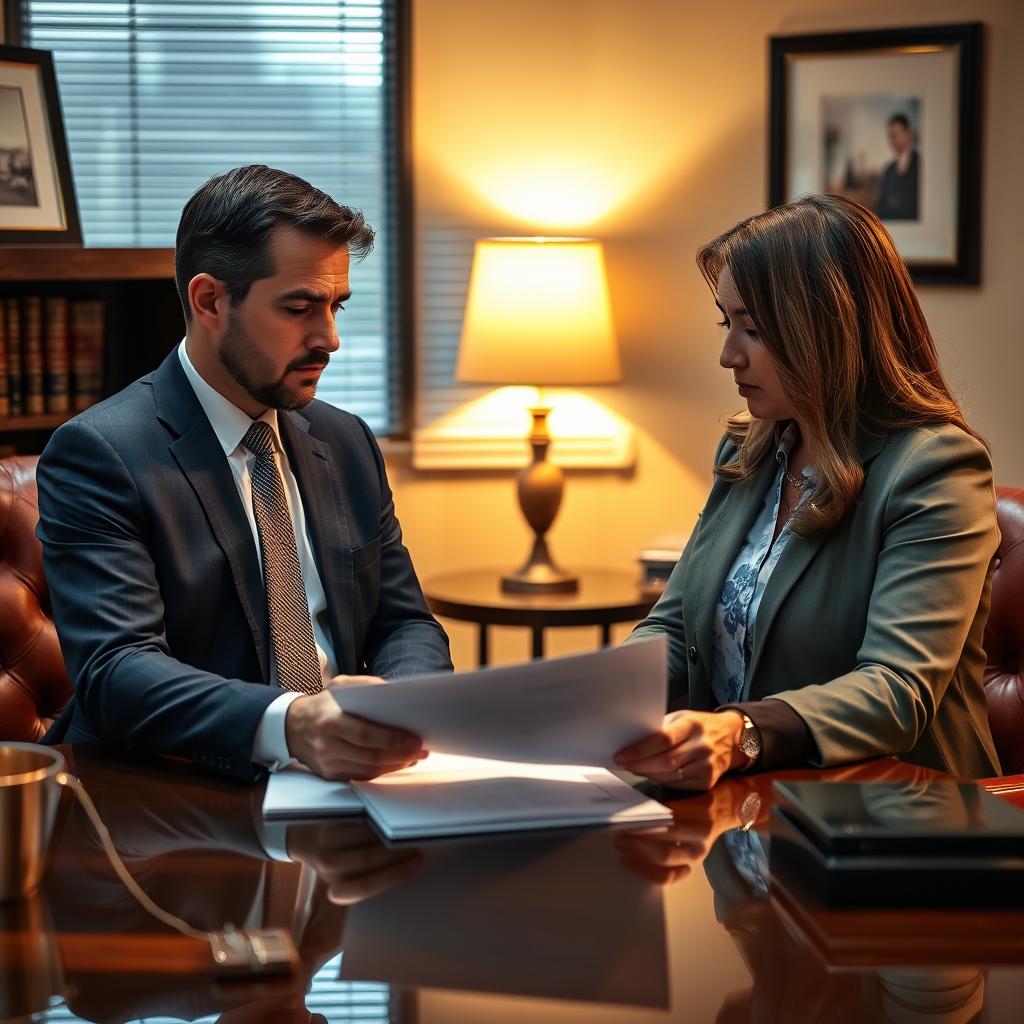
Grand Larceny Lawyer Alexandria, VA
A charge of grand larceny in Alexandria, Virginia, is a serious felony offense that carries the possibility of a state prison sentence. Under Va. Code § 18.2-95, taking property or money valued at $1,000 or more—or stealing anything directly from a person, no matter the value—is grand larceny. The Alexandria General District Court and Alexandria Circuit Court handle these matters, and a conviction can result in incarceration, substantial fines, and a permanent criminal record. Mr. Sris, a former prosecutor, and his Of Counsel defend individuals facing grand larceny charges at the Alexandria courthouse at 520 King Street. The firm has documented 4,739+ case results across all practice areas since 1997. Results may vary. To discuss a grand larceny charge in Alexandria, call Law Offices Of SRIS, P.C. at (888) 437-7747. Law Offices Of SRIS, P.C. – Advocacy Without Borders.
What Grand Larceny Means in Alexandria
In Virginia, grand larceny is a felony offense that carries a potential sentence of one to twenty years in state prison. At the discretion of the judge or jury, a court may instead impose a jail term of up to 12 months and a fine of up to $2,500. The felony threshold was raised to $1,000 in 2020, meaning that theft of goods or cash worth $1,000 or more is prosecuted as grand larceny rather than a misdemeanor. Taking any item, no matter its value, directly from another person—such as a purse-snatching—also qualifies as grand larceny under the same statute.
The Alexandria court system handles grand larceny prosecutions at the Alexandria General District Court for preliminary hearings and, for trial, at the Alexandria Circuit Court. The General District Court, located at 520 King Street, conducts an initial appearance and a preliminary hearing to determine whether the Commonwealth has enough evidence to send the case to the Circuit Court for a felony trial. At the Circuit Court, a defendant may elect a jury trial. The Commonwealth’s Attorney for Alexandria prosecutes these cases. For an individual facing grand larceny allegations, the procedural path includes bond determination, discovery, motions, and, in many instances, the possibility of negotiations with the prosecutor about charge reductions or alternative dispositions.
How Mr. Sris and His Of Counsel Handle Grand Larceny Cases
Mr. Sris and his Of Counsel approach each grand larceny case with a focus on challenging the Commonwealth’s evidence and protecting the client’s rights at every stage. The defense team examines whether the valuation of the allegedly stolen property meets the $1,000 felony threshold, whether the arrest or search was constitutionally sound, and whether the client’s statements were obtained in compliance with Miranda protections. A former prosecutor leads the firm, and an Of Counsel member who served more than a decade as a Virginia State Trooper brings first-hand knowledge of law enforcement procedures. This perspective helps the defense identify weaknesses in the prosecution’s case and pursue suppression of evidence where appropriate.
After an initial consultation, the legal team investigates the facts, reviews the discovery provided by the Commonwealth, and discusses potential resolutions. While Plea bargaining is permitted under Rule 3A:8 of the Rules of the Supreme Court of Virginia; the Commonwealth’s Attorney and defense counsel may negotiate a plea agreement, which the court may accept or reject. If an agreement cannot be reached, Mr. Sris and his Of Counsel are prepared to present a vigorous defense at trial in the Alexandria Circuit Court. Throughout the process, the client is informed of each development and the likely next steps, so they can make reasoned decisions about their case.
About Mr. Sris and His Of Counsel Team
Mr. Sris, Owner and Founder of Law Offices Of SRIS, P.C., founded the firm in 1997. He is a former prosecutor and is admitted to practice in Virginia, Maryland, the District of Columbia, New Jersey, and New York. Mr. Sris testified before the Virginia House Courts of Justice Committee in support of 2019 HB 635 (chief patron Del. David Bulova). His Of Counsel team includes a former Virginia State Trooper with 15 years of law enforcement service and a former Maryland Assistant State’s Attorney. Mr. Sris and his Of Counsel bring over 120 years of combined legal experience. Results may vary. The firm serves clients in Alexandria from its Arlington location at 1655 Fort Myer Dr, Suite 700, Room 719, Arlington, VA 22209.
Frequently Asked Questions
What are the penalties for grand larceny in Virginia?
Grand larceny in Virginia is a felony punishable by one to twenty years in a state correctional facility, or, at the jury or court’s discretion, up to 12 months in jail and a fine of not more than $2,500. The sentencing range depends on the circumstances of the offense, the defendant’s prior record, and the assessed value of the property involved. Because grand larceny is a felony, a conviction results in the loss of certain civil rights, including firearm possession and, in some instances, voting rights. An experienced attorney can work to secure a reduced charge or a favorable sentence.
How does a Virginia lawyer defend against grand larceny charges?
A defense against grand larceny may include challenging the valuation of the property, questioning the chain of custody or the legality of the seizure of evidence, and negotiating with the prosecutor to amend the charge to a lesser offense. If the value of the allegedly stolen item is close to the felony value threshold, the defense can argue that the proof does not meet the felony standard and that the matter should proceed as a misdemeanor. Suppression of evidence obtained through an unlawful stop or search can also weaken the prosecution’s case. Each defense strategy is shaped by the unique facts of the case.
What should I do if I am facing grand larceny charges in Alexandria?
If you are charged with grand larceny in Alexandria, contact a criminal defense attorney immediately and do not discuss the facts of your case with anyone else. Preserve any documents, receipts, or digital records related to the allegations. Appear at every scheduled court date at the Alexandria General District Court or Circuit Court as required. Early involvement of counsel can influence bond conditions, the scope of the investigation, and the possibility of a resolution before trial.
Is grand larceny always a felony in Virginia?
Yes, grand larceny is a felony offense, but the court may, in limited circumstances, sentence it as a misdemeanor if the jury or judge exercises discretion under the statute. The felony classification carries prison time and a permanent record. However, a conviction does not automatically mean a lengthy prison term; judges and juries have the authority to impose jail time in lieu of prison and a fine. The outcome depends heavily on the facts, the prosecutor’s position, and the defense presented.
Can a grand larceny charge be reduced to petit larceny in Alexandria?
Yes, it is possible for a grand larceny charge to be reduced to petit larceny, a Class 1 misdemeanor, if the Commonwealth’s Attorney agrees to amend the charge based on the evidence. This often occurs when the value of the property is contested or when the defendant has limited prior record and the facts support a lesser offense. The defense attorney can negotiate with the prosecutor to achieve a reduction and may also present mitigating information that supports a disposition other than a felony conviction.
Related information: Criminal defense in Fairfax County · Criminal lawyer Fairfax City · Falls Church criminal defense · Prince William County criminal attorney · Manassas criminal defense lawyer
Authoritative sources: Virginia Code Title 18.2 (Crimes and Offenses) · Alexandria General District Court · Virginia Courts
Attorney advertising. Prior results do not guarantee a similar outcome. Results may vary.
Case results depend on a variety of factors unique to each case.
