
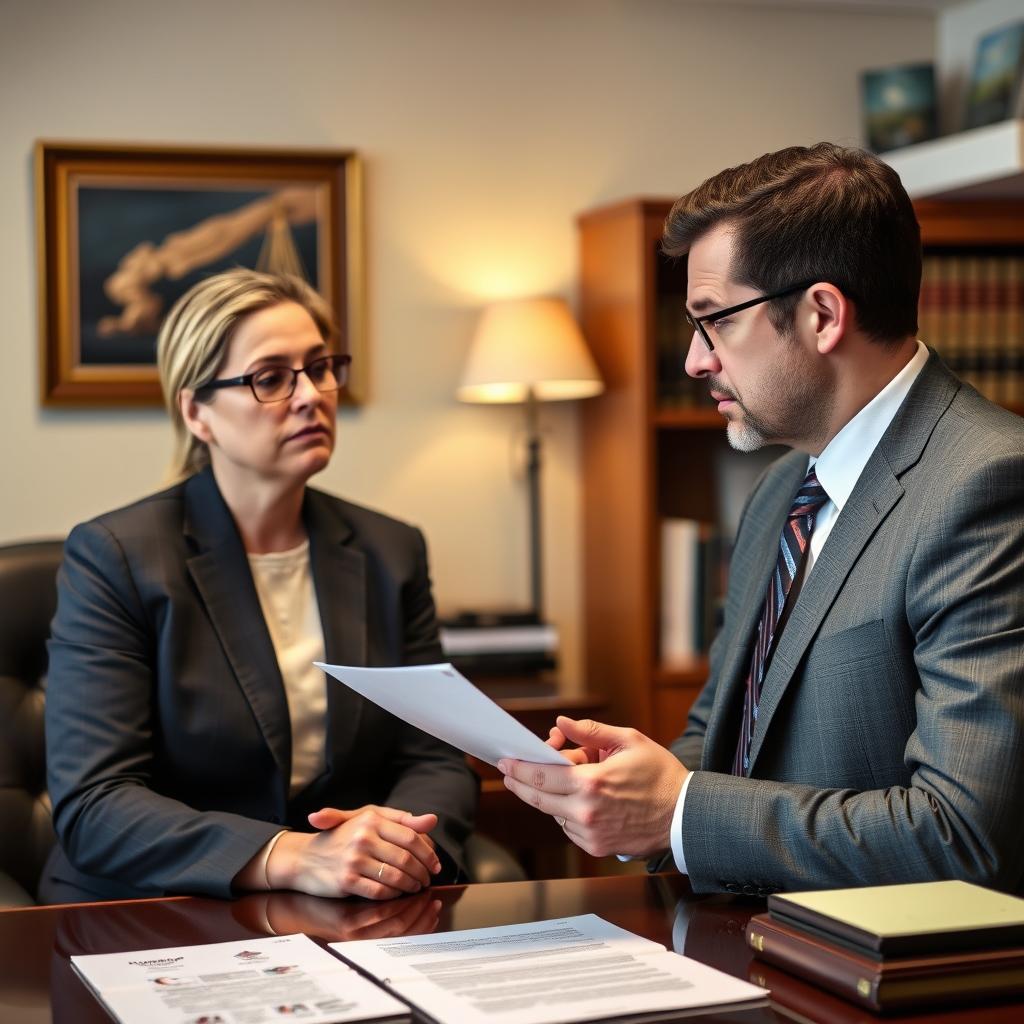
Obstruction of Justice Lawyer Prince George County
An obstruction of justice lawyer Prince George County defends against charges of interfering with an official investigation or court proceeding. Law Offices Of SRIS, P.C.—Advocacy Without Borders. provides direct legal defense for these serious state and federal allegations. Charges can stem from witness tampering, evidence destruction, or lying to investigators. (Confirmed by SRIS, P.C.)
Statutory Definition of Obstruction in Virginia
Virginia Code § 18.2-460 — Class 1 Misdemeanor — Up to 12 months in jail and a $2,500 fine. This is the core Virginia statute for obstruction of justice. It criminalizes knowingly obstructing a law enforcement officer, judge, or other official in the performance of their duties. The law covers a wide range of acts, from physical resistance to providing false information. The specific charge and its severity depend entirely on the alleged conduct and the official involved.
Obstruction is not a single crime but a category of offenses. The Virginia code contains multiple sections addressing different forms of interference. Each carries distinct penalties and requires the prosecution to prove specific elements. A conviction can have lasting consequences beyond jail time. It creates a permanent criminal record that affects employment and personal rights. Understanding the exact statute you face is the first step in building a defense.
What is the difference between obstruction and resisting arrest?
Obstruction is a broader charge that includes non-physical interference. Resisting arrest under § 18.2-479.1 is a specific type of obstruction involving force. You can be charged with obstruction for giving a false name or hiding evidence. Resisting requires active, physical opposition to a lawful arrest. The penalties for resisting arrest can be more severe depending on the officer’s injury.
Can you be charged federally for obstruction in Prince George County?
Yes, federal obstruction charges can arise from investigations by agencies like the FBI or ATF. Federal crimes like witness tampering (18 U.S.C. § 1512) are prosecuted in the U.S. District Court for the Eastern District of Virginia. These charges carry significantly heavier penalties than state offenses. Federal sentencing guidelines often mandate prison time for convictions. A federal obstruction defense lawyer Prince George County must understand both federal law and local procedure.
What does “tampering with evidence” mean under Virginia law?
Tampering with evidence is defined under Virginia Code § 18.2-461. It involves altering, destroying, or concealing physical evidence with the intent to affect an investigation or trial. This is a separate Class 1 misdemeanor with the same maximum penalties as general obstruction. A tampering with evidence lawyer Prince George County focuses on the prosecution’s proof of intent and knowledge. The state must show you knew the item was evidence and acted to suppress it.
The Insider Procedural Edge in Prince George County
Prince George County General District Court, located at 6601 Courts Drive, Prince George, VA 23875, handles all misdemeanor obstruction charges. This is where your initial arraignment, bond hearing, and trial will occur. The court operates on a specific docket schedule you must follow precisely. Filing fees and procedural rules are strictly enforced. Missing a deadline or filing incorrectly can jeopardize your case before it starts.
Procedural specifics for Prince George County are reviewed during a Consultation by appointment at our Prince George County Location. The local Commonwealth’s Attorney’s Location prosecutes all state-level obstruction cases. They follow established patterns in how they charge and negotiate these offenses. Knowing the tendencies of the local prosecutors is a tactical advantage. An attorney familiar with the court’s personnel can handle procedures more effectively. This local knowledge is critical for scheduling motions and managing case timelines. Learn more about Virginia legal services.
What is the typical timeline for an obstruction case?
A misdemeanor obstruction case can take several months to over a year to resolve. The initial hearing is usually within a few weeks of the arrest. Pre-trial motions and discovery exchanges add time to the process. Trial dates are set based on the court’s crowded docket. A skilled attorney can sometimes expedite resolution through strategic negotiations.
How much are court costs and fines for obstruction?
Court costs in Prince George County General District Court are mandatory if convicted. Fines for a Class 1 misdemeanor can be up to $2,500, set by the judge. Additional costs include fees for court-appointed counsel if you qualified. The total financial burden often exceeds the base fine amount. An attorney can argue for reduced fines based on your circumstances.
Penalties & Defense Strategies for Obstruction Charges
The most common penalty range for a first-time misdemeanor obstruction is a fine and up to 12 months in jail, with jail time often suspended. Judges in Prince George County consider the nature of the obstruction and your criminal history. Even if jail is suspended, a conviction remains on your permanent record. This can impact professional licenses, security clearances, and future employment. The table below outlines potential penalties.
| Offense | Penalty | Notes |
|---|---|---|
| Obstruction of Justice (Class 1 Misdemeanor) | 0-12 months jail, fine up to $2,500 | Most common charge under § 18.2-460. |
| Obstruction of Justice (Felony – involving injury) | 1-5 years prison, fine up to $2,500 | Charged under § 18.2-460(C) if officer is injured. |
| Resisting Arrest (Class 1 Misdemeanor) | 0-12 months jail, fine up to $2,500 | Specific charge for forcible resistance. |
| Tampering with Evidence (Class 1 Misdemeanor) | 0-12 months jail, fine up to $2,500 | Separate charge under § 18.2-461. |
| Federal Witness Tampering (Felony) | Up to 20 years federal prison | Prosecuted under 18 U.S.C. § 1512 in federal court. |
[Insider Insight] Local prosecutors in Prince George County often treat obstruction charges as “add-on” offenses. They frequently use them to pressure pleas on primary charges like assault or DUI. However, they may be willing to reduce or drop an obstruction charge if the primary case is weak. The key is challenging the officer’s narrative of “knowing” obstruction early. A clear demonstration of a lack of intent can lead to a favorable outcome.
Defense strategies begin with scrutinizing the arrest itself. Was the officer lawfully executing their duties? Did you have the required criminal intent to obstruct? Many obstruction charges stem from chaotic situations where intent is unclear. We examine police reports, body camera footage, and witness statements for inconsistencies. A successful defense may involve arguing mistaken identity, lack of knowledge, or that the officer’s order was unlawful.
Will an obstruction conviction affect my driver’s license?
An obstruction conviction does not carry direct DMV points in Virginia. The court does not suspend your license solely for an obstruction of justice conviction. However, if the obstruction occurred during a traffic stop, your underlying traffic violation may lead to points. A conviction can still be seen negatively in future court proceedings. It is a criminal record that background checks will reveal. Learn more about criminal defense representation.
What are the collateral consequences of a conviction?
Collateral consequences include difficulty finding employment, loss of professional licenses, and ineligibility for certain government benefits. A criminal record can affect child custody decisions and housing applications. For non-citizens, a conviction can trigger deportation proceedings. These long-term effects often outweigh the immediate jail time or fine. Fighting the charge is about protecting your future.
Why Hire SRIS, P.C. for Your Obstruction Defense
Bryan Block, a former Virginia State Trooper, leads our defense team for obstruction cases in Prince George County. His inside knowledge of police procedures and report writing is a direct advantage. He knows how officers build cases and where their narratives can be challenged. This perspective is invaluable when defending against allegations of interfering with an investigation. We apply this practical insight to every case we take.
Primary Attorney: Bryan Block
Credentials: Former Virginia State Trooper
Practice Focus: Criminal Defense, DUI, Obstruction Charges
Local Experience: Extensive practice in Prince George County courts.
SRIS, P.C. has a dedicated Location in Prince George County to serve clients facing serious charges. Our firm approach is direct and tactical. We do not waste time on procedures that do not benefit your defense. We gather evidence, identify weaknesses in the prosecution’s case, and prepare for trial from day one. Our goal is to achieve the best possible outcome, whether through dismissal, reduction, or acquittal. You need an obstruction of justice lawyer Prince George County who fights without hesitation.
Localized FAQs on Obstruction Charges in Prince George County
What should I do if I am charged with obstruction in Prince George County?
Remain silent and request an attorney immediately. Do not discuss the incident with police or jail staff. Contact SRIS, P.C. to schedule a Consultation by appointment. We will obtain the warrant and police reports to review the specific allegations against you.
Can obstruction charges be dropped before court?
Yes, charges can be dropped if the prosecutor finds insufficient evidence. An attorney can present exculpatory evidence to the Commonwealth’s Attorney early in the process. This may lead to a nolle prosequi (drop) of the charges before your trial date. Learn more about DUI defense services.
What is the cost of hiring a lawyer for obstruction?
Legal fees depend on the case’s complexity, whether it is state or federal, and if it goes to trial. SRIS, P.C. provides a clear fee agreement during your initial consultation. We discuss all potential costs and payment options upfront.
Is obstruction a felony in Virginia?
Most obstruction charges are Class 1 misdemeanors. It becomes a felony under Virginia Code § 18.2-460(C) if the obstruction results in bodily injury to the officer. Federal obstruction charges are almost always felonies with severe penalties.
How does a federal obstruction case differ from a state case?
Federal cases are investigated by agencies like the FBI and prosecuted by U.S. Attorneys. They are heard in U.S. District Court, not Prince George County General District Court. Penalties are typically more severe under federal sentencing guidelines.
Proximity, CTA & Disclaimer
Our Prince George County Location is strategically positioned to serve clients throughout the region. We are accessible for meetings to discuss your obstruction of justice charges. The legal team at SRIS, P.C. is ready to defend you in the Prince George County General District Court and beyond. Do not face these serious allegations without experienced criminal defense representation.
Consultation by appointment. Call 888-437-7747. 24/7.
Law Offices Of SRIS, P.C.
Prince George County Location
Address details are confirmed upon scheduling your consultation.
Past results do not predict future outcomes.
